
Lake Superior Gusts: Fall Draft Control That Keeps Furnaces Stable in the Soo
Sault Ste. Marie’s homes get real wind. When Lake Superior sends strong fall gusts inland, the pressure around the house can change quickly. Furnaces and other fuel-burning equipment need a relatively stable supply of indoor air to burn safely and to vent flue gases outside. If the house is leaky in some places but tight in others, or if an exterior vent or intake sits right in the wind, the equipment can trip for safety. That is why fall is a good time to check for pressure-imbalance symptoms and make minor air-sealing fixes before winter winds get stronger.
How Lake Superior Winds Can Affect a Furnace
Even a well-maintained furnace can behave differently on windy days because of pressure changes:
- Strong gusts can blow directly onto exterior vent terminations, affecting the draft.
- Wind can create negative pressure inside the home if exhaust fans, dryers or range hoods run at the same time.
- Large, unsealed openings in the basement or rim-joist area can let wind “push” into the home on one side and “pull” on the other.
- If return air pathways are restricted, the furnace has to work harder to move air, which can cause short cycling.
Natural Resources Canada advises homeowners to reduce uncontrolled air leaks and to keep combustion and venting paths clear for safe, efficient operation in cold-weather regions. Health Canada notes that venting or combustion problems should be corrected promptly to reduce the risk of carbon monoxide, so it makes sense to pay attention to wind-related furnace symptoms.
Wind-Day Symptoms to Watch For in the Soo
You can spot pressure and draft issues just by paying attention on windy days:
- Doors that slam or close on their own
- Whistling or hissing at returns or under doors
- Frequent limit trips or furnace restarts that do not happen on calm days.
- Flame disturbance on appliances that use indoor air
- Cooler or warmer rooms during gusts
- Exhaust fans that seem stronger or weaker depending on wind direction
Make a short list of when these things happen and what the weather was doing. That will help the Wardlaw technician later.
High-Impact Air-Sealing Spots to Tackle First
You do not have to air-seal the whole house to improve furnace stability. Start with the leaks that affect pressure the most.
1) Door Sweeps and Weatherstripping
- Check exterior doors on the windward side.
- Replace worn sweeps so wind cannot blow straight into the house.
- Make sure garage-to-house doors close and seal properly.
2) Attic Hatches and Access Panels
- A loose attic hatch can act like a vent during gusts, pulling warm air out.
- Add simple weatherstripping around the hatch to even out the pressure.
3) Rim-Joist and Basement Penetrations
- Look for gaps around pipes, cables and vent lines where they leave the basement.
- Seal small gaps with appropriate caulking or foam so wind cannot push in at that level.
- Keep combustibles away from hot vent pipes.
4) Exterior Vent and Combustion-Air Terminations
- Clear leaves, grass and yard items away from the furnace vent and intake.
- Make sure the termination is not facing a spot where wind funnels between buildings.
- If you suspect wind is hitting the vent directly, tell the Wardlaw technician so they can assess options.
These are all safe, homeowner-level tasks. Anything that involves moving or modifying venting, changing gas components or opening sealed cabinet sections should be left to a licensed tech.
Pro-Only Fall Checks to Keep Draft Stable (Book Wardlaw)
A fall service visit is the time to deal with the pressure issues you cannot see. Ask Wardlaw to:
- Check combustion and venting while simulating windy conditions as best as possible
- Confirm that the furnace is receiving adequate combustion air when exhaust fans or dryers are running.
- Inspect the furnace cabinet, burners and flue connections for signs of previous backdrafting
- Verify that exterior vent terminations are safe and properly sloped. In Ontario, venting and combustion changes should be done by a licensed technician, not as a DIY project.
- Test CO alarms and recommend replacements if units are past their lifespan
- Document the home’s draft and venting baseline for future seasonal calls.
This is also a good moment to talk about a Wardlaw Maintenance Plan, so these checks happen before every heating season, not just after a problem.
Why This Matters for CO Safety
Carbon monoxide is colourless and odourless, and it can build up when combustion appliances do not vent properly. Health Canada recommends installing CO alarms on every storey and near bedrooms, and testing them regularly. Wind-related draft problems in Sault Ste. Marie is a good example of when CO protection matters, because the same gusts that cause nuisance shutdowns can also make appliances more likely to spill. Keeping vents clear, reducing large air leaks, and confirming a draft in the fall reduces that risk.
Finish with a Wardlaw Fall Tune-Up and Maintenance Plan
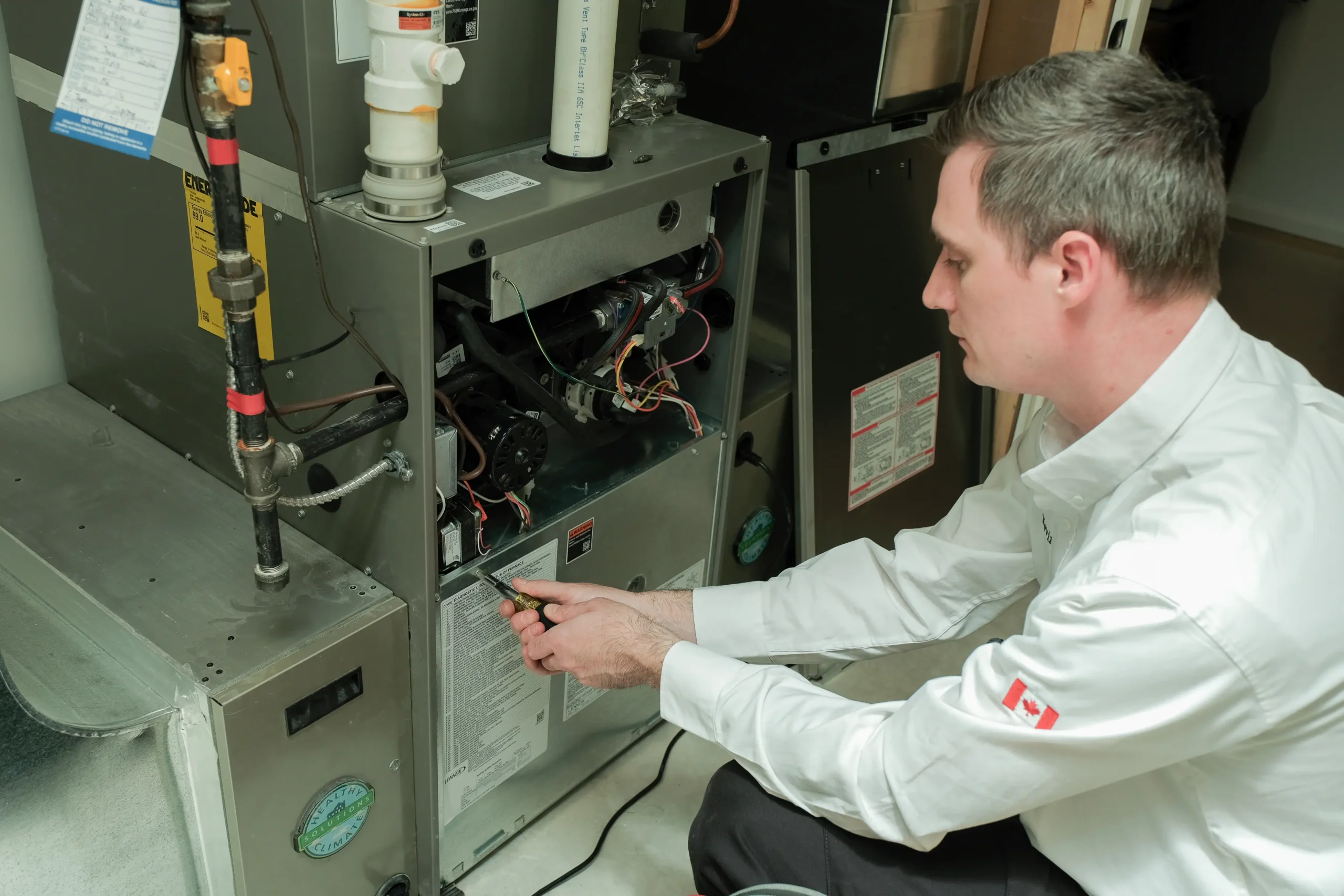
Once you have tracked symptoms and sealed the worst leaks, let Wardlaw finish the job. A professional tune-up can clean the furnace, check the temperature rise, confirm blower performance, verify electrical components, and ensure the venting is ready for winter winds off the lake. Enrolling in a Maintenance Plan keeps that visit on the calendar every year, which is the best way to prevent repeat wind-day issues.